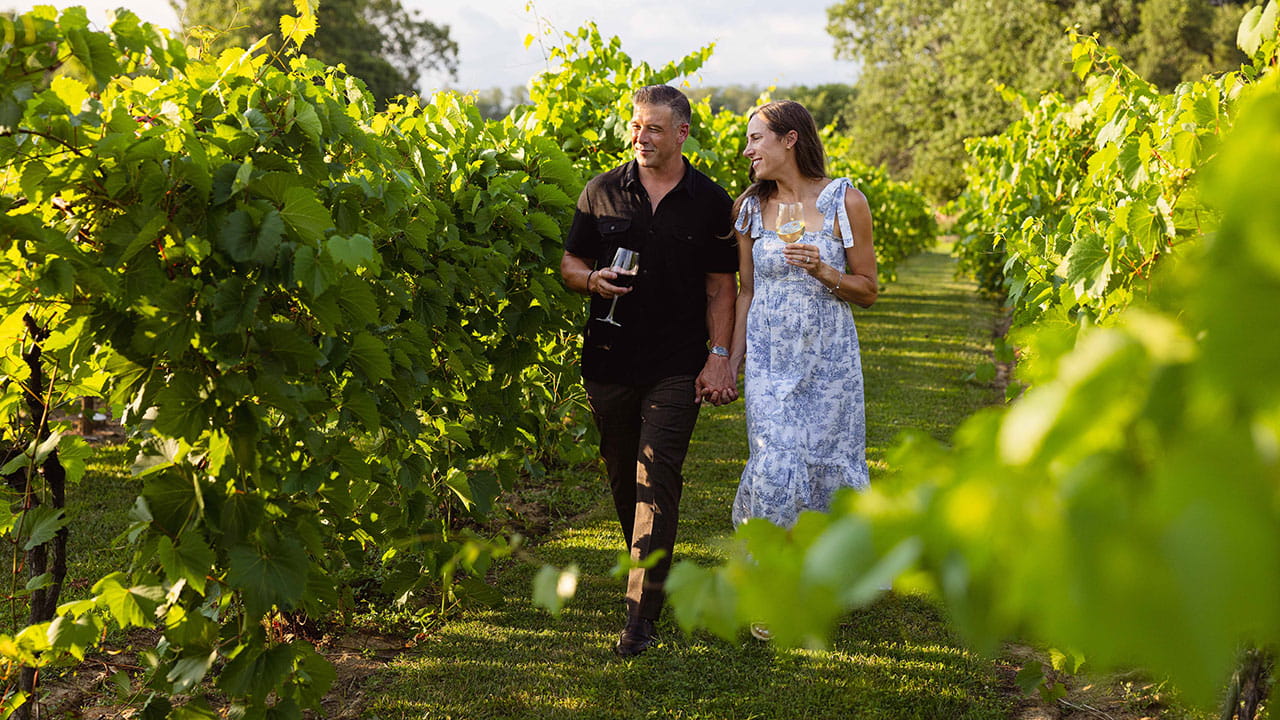
Harvest is almost here!
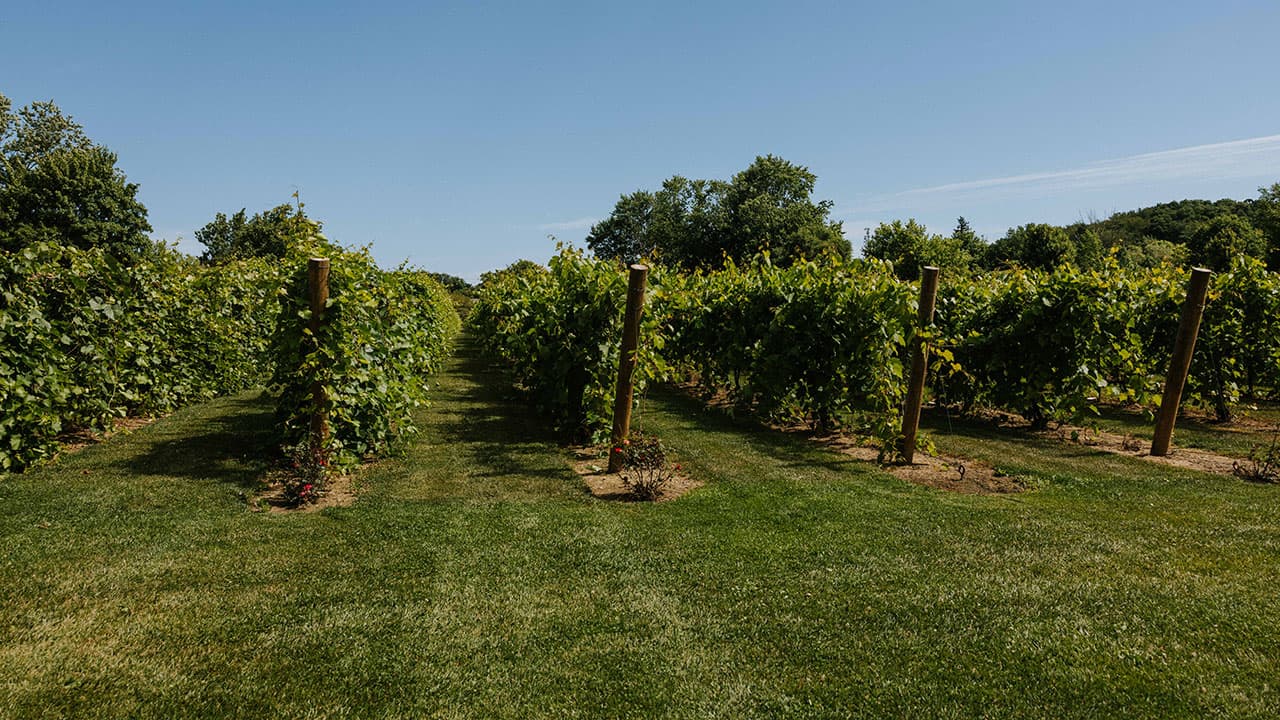
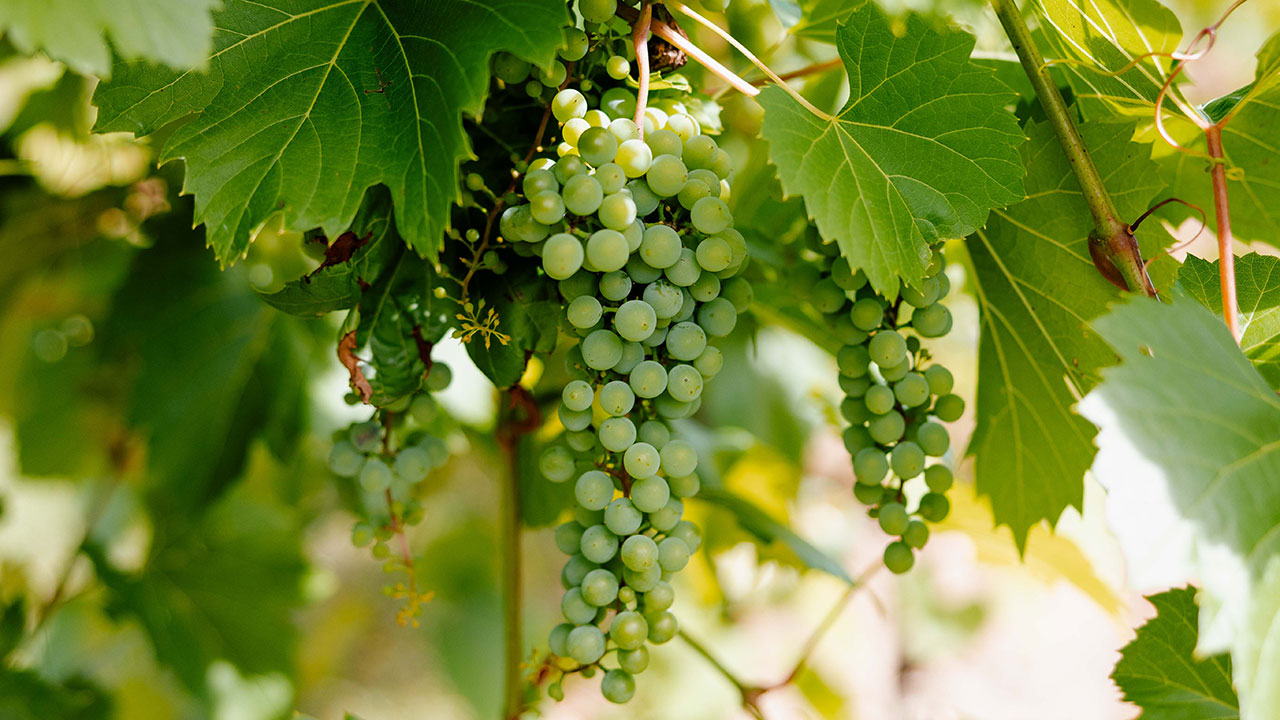
When pulling into the entrance gates at Gervasi Vineyard Resort & Spa (GV), visitors will be enamored by the north vineyard lining the entrance road. When they drive just a bit further down that road, they will be face-to-face with the south vineyard.
A lot is going on in the vineyards throughout the summer months.
Both vineyards look serene and manicured, but underneath the calm and quiet, the vineyards and grapes are preparing for the yearly harvest to begin.
“Summertime is when we are helping the vines maintain their shape and protecting the grapes,” said head winemaker, David Smith. “We do things like combing the shoots so they lay evenly with some space for light and airflow. We will also thin out shoots and pull some leaves away from the developing fruit clusters to help increase air and light exposure. Sometimes we will need to remove grape clusters if the vines set too many in the spring.”
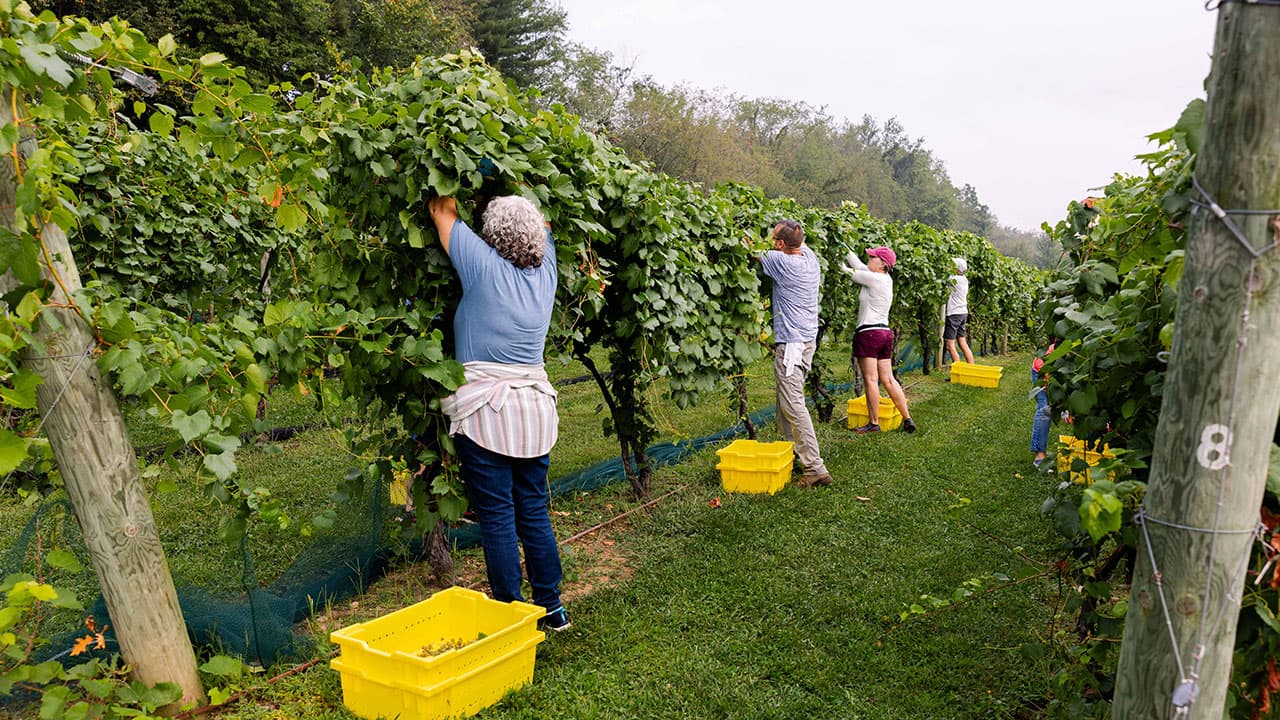
Harvesting the grapes
Both vineyards are harvested by hand. GV will have 20-40 people picking grapes on any given day in September.
Smith said, “Gervasi’s vineyard harvest starts the first week of September. We will typically have three to four picking days within the first three weeks of September. After that time, GV will receive juice and fruit from other vineyards through mid-October.
“On a picking day, all the grapes are loaded into half-ton bins that go directly into our cold storage room to chill overnight. The next day, the fruit is destemmed and crushed into tanks and is ready to be fermented. We average about 15 tons combined across all three varieties from our vineyards.”
Love those grapes that make the wine taste so good!
Juicier grapes will produce a higher yield of pressed juice volume per ton of picked grapes. The style of wine is not really affected by how juicy any given grape variety is.
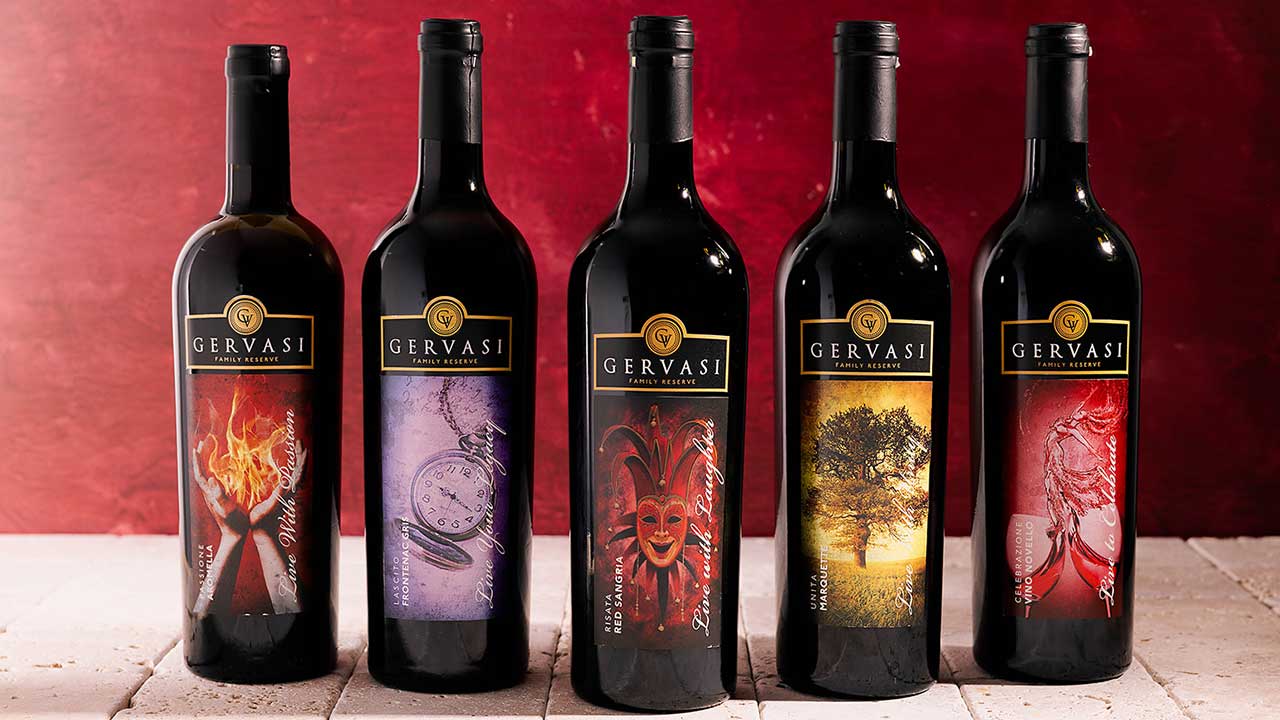
GV’s grapes are used in red, rose and white wines including Marquette (red); Frontenac Gris (rosé); and Aromella (white).
Good grapes make for really good wines. Smith said the weather is always a factor in the condition of the grapes. “Weather plays a direct role in the final quality of the grapes, no matter what the weather might be. Overly wet summers will tend to reduce overall fruit quality because of fungal disease pressure. Plus, the extra water tends to promote too much vegetative growth, which also redirects the vine’s energy away from developing fruit. An overly dry summer can reduce vine growth and fruit maturity if no irrigation is used. If it is extremely dry and hot, then the fruit can degrade and/or shrivel under extreme conditions.”
The three types of grapes grown in the two vineyards include Marquette, used for the Unita, Celebrazione, and Risata wines; Frontenac Gris, used to make Lascito; and Aromella, used to make the Passione wine.
Aromella gets hand-sorted to remove any “MOG” (Material Other Than Grape). After sorting, the grapes are loaded whole cluster into a press to press out the juice and pump it into a tank for fermentation.
After sorting out the MOG, the Marquette grapes get sent through a machine that removes the stems and then lightly crushes the grapes. The crushed grapes are then pumped into a fermentation vessel.
After sorting out the MOG, the Frontenac Gris grapes get sent through the de-stemmer/crusher and then the crushed grapes will go to a holding tank. The crushed grapes are held cold for a few days so that the juice can soak up color from the skins. Eventually, the grapes get pumped into the press to squeeze out the liquid to get a rose-colored juice. Then the juice is ready to ferment.
Smith said, “These grapes were chosen because they are well suited to our vineyard site and climate. Each of these varieties was selected for winter cold hardiness that goes below -10°F, and each variety shows good resistance to some common fungal diseases that thrive in our wet and humid summers.”
While the vineyards are busy doing what needs to be done to foster good grapes, below are a few fun facts about grapes and wine.
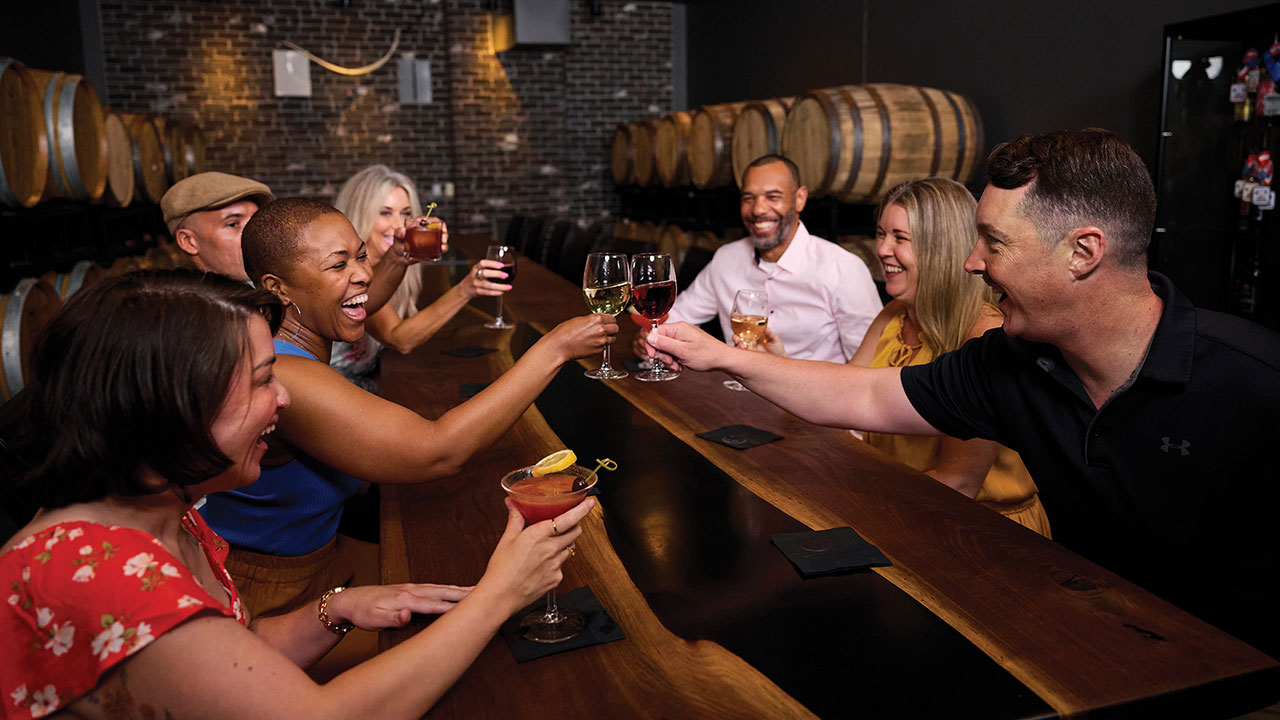
10 Fun Facts about grapes and wine:
according to https://www.napavalley.com/blog/basic-wine-facts/
- Humans have been cultivating grapes for 8,000 years.
- Grapes were grown in Eastern Europe and the fruit spread from there according to Archaeologists.
- More than 10,000 grape varieties are known to scientists, with more than 1,300 varieties currently used to make commercial wine around the world.
- Three of the most popular grapes globally include Cabernet Sauvignon, Chardonnay, and Merlot.
- Grapes at the supermarket are known as table grapes and have much thinner skins and far more seeds than the varieties used to make wine.
- The color of wine comes from the grapes used, for example reds are usually made from purple or blue grapes, while whites are made from greener grapes.
- White wines generally have less alcohol and fewer calories than red wines. Wines aren’t just red or white, you’ll also find pink (rosé) and there are orange wines.
- Red wines are often served in larger bowled glass to let bold aromas and flavors emerge through and mingle with oxygen in the air.
- The wine may form “legs” that run down the sides when swirled in a glass. It reflects the wine’s alcohol content and body. Wines with higher alcohol tend to have more pronounced legs due to the difference in evaporation rates between alcohol and water.
- Winemakers describe wine as having certain flavors like blueberries, citrus, or even dirt. But wines are not flavored. Such flavors and aromas come from the grapes, the winemaking process, and aging, such as in oak barrels.
Next time you visit Gervasi, take a minute to glance at the beautiful vineyards on the property as you drive by them. They are just stunning.